Design submitted by Denise from the Philippines.
Denise says: “I wanted to create a minimalist watch that would look sophisticated and cool at the same time”. Continue reading

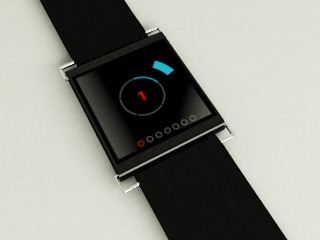
Design submitted by Denise from the Philippines.
Denise says: “I wanted to create a minimalist watch that would look sophisticated and cool at the same time”. Continue reading
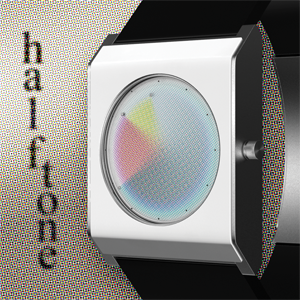
Design submitted by Sam from Germany.
Sam’s initial idea was to create an ever changing display which works with interference (short term change coming from the second hand) and color change (long term change coming from the hour and minute hands). Halftone is actually a technique used in printing. It works like an LED screen – it simulates any color by just using a few. The difference from a LED screen is that it’s not limited to a rectangular grid. The few colors of cyan, magenta, yellow (and black too) are applied in tiny dots. From a certain distance, this dot pattern cannot be seen anymore and the basic colors seem to mix to the final motif. Continue reading
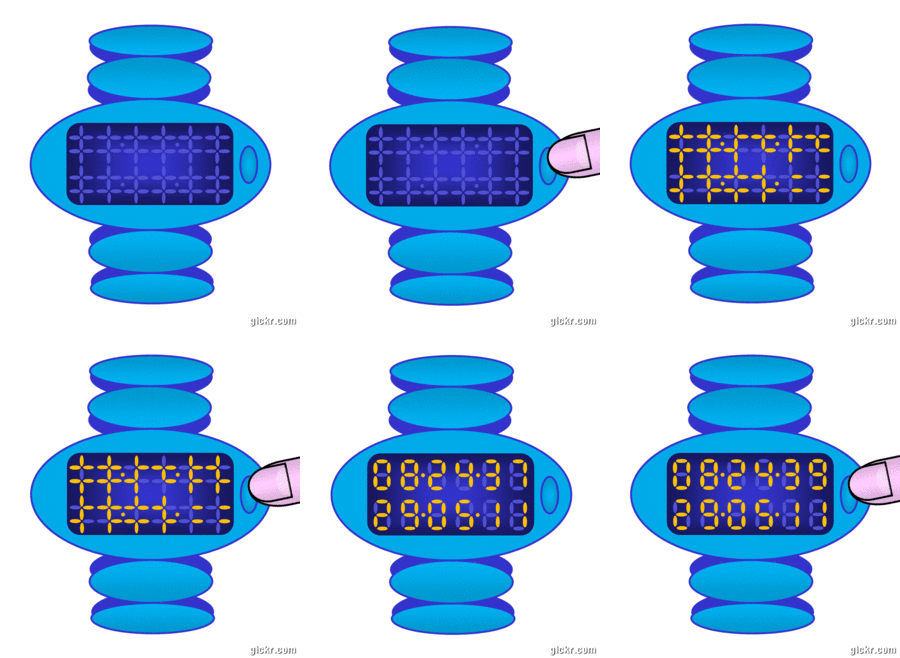
Design submitted by Lloyd from Australia.
As a puzzle designer, Lloyd is always looking for news ways of looking at things. Continue reading
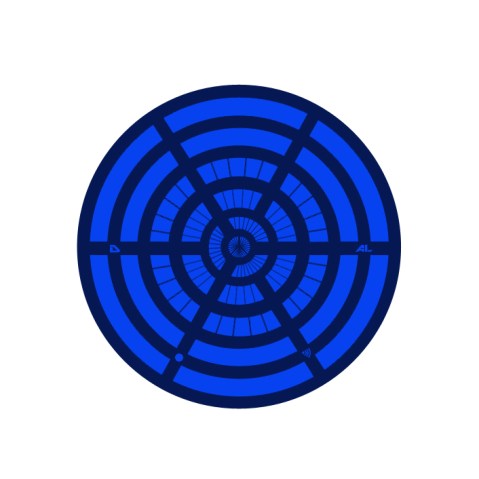
Design submitted by John from Canada.
The idea for this watch design popped into John’s head after seeing a drain covering. Continue reading
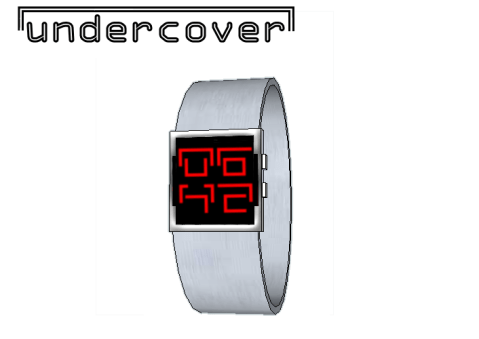
Design submitted by Heather from the USA.
Heather says: “I’ve been playing with the idea of splitting digits lengthwise to make them cryptic but readable. It appears to be a code, but they are just digits in disguise!”. Continue reading
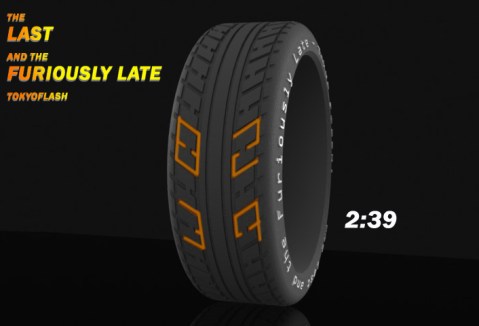
Design submitted by Peter from UK.
Peter says: “I am a bit of a petrol head and wanted to do a car related watch. I figured that a tyre rather lent itself to a watch strap so I went from there. The tread in the tyre resembled a basic digital display and here we are”. Continue reading
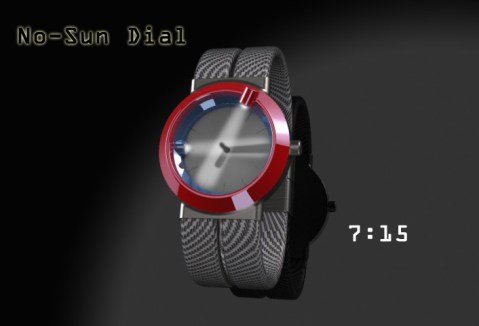
Design submitted by Peter from UK.
The idea for this watch design was based on traditional sundials and the lack of sun in the UK. Peter thought that it would be novel to replace the light source but use the traditional method of telling the time using shadows. Continue reading
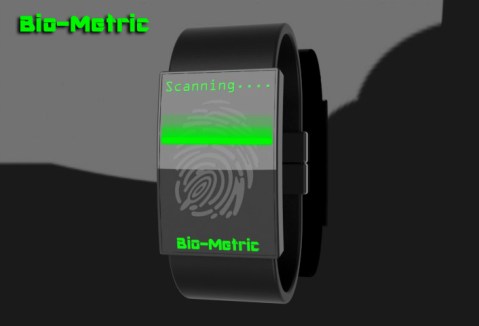
Design submitted by Peter from UK.
The inspiration for this watch design came from bio-metric security scanners. Continue reading
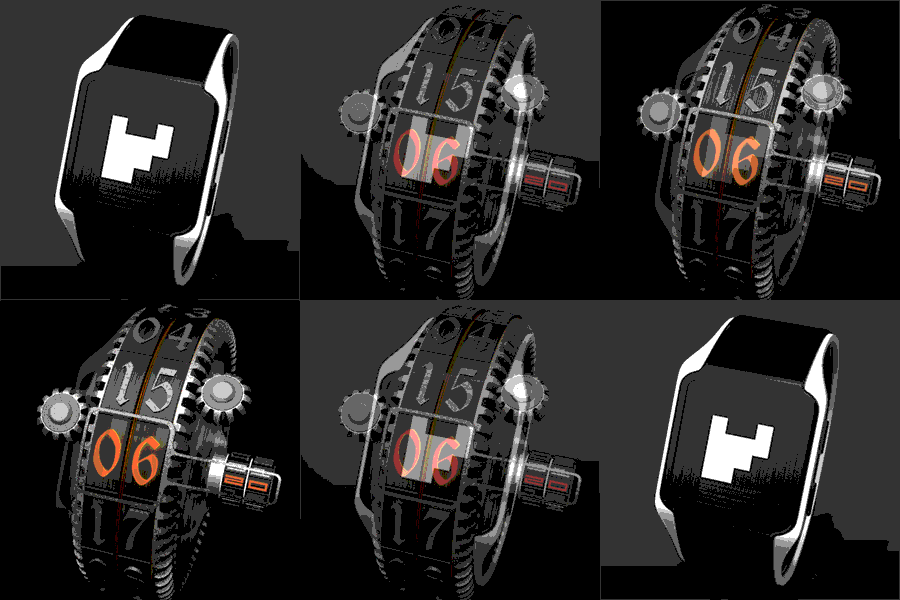
A new concept from the Tokyoflash Design Studio.
An original concept watch design that uses an e-paper display to present the time. The overall appearance of the watch is pure and simple. The white block in the centre of the screen display the time in binary (hours 1, 2, 4, 8 on the top row and minutes 1, 2, 4, 8, 16, 32 on the bottom two rows). Combinations of these numbers indicate the time. For example, if the 8 hour light was out and the 1 and 2 minute lights were out, the time would be 8:03. Continue reading
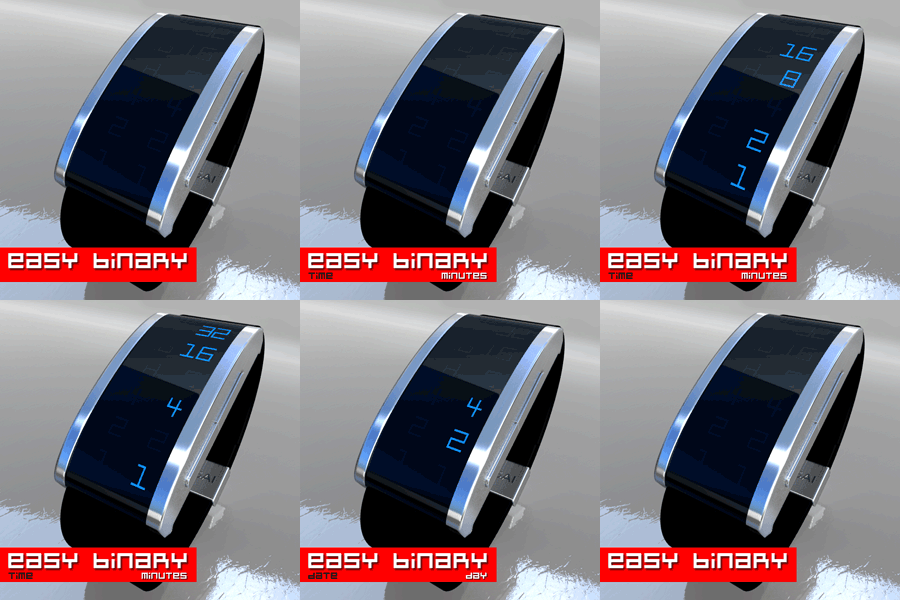
Design submitted by Laszlo from Hungary.
An easy to read binary watch in digits with time and date functions. Continue reading
 Tokyoflash Japan