Design submitted by Peter from the UK.
This watch design is a fairly conventional analogue disc watch with a more 3D look. Continue reading


Design submitted by Peter from the UK.
This watch design is a fairly conventional analogue disc watch with a more 3D look. Continue reading

Design submitted by Laszlo from Hungary.
This is an easy-to-read LED display watch design that shows time in a drop-down effect. Hours, minutes, and seconds are displayed from top to bottom once per second.

Design submitted by Dietrich from Australia.
Dietrich says: This idea was inspired by my inaccurate memory of a 1980s video game called Qix, and also by sun-dials. I originally had two watch ideas – one for the outer triangles and for an inner triangle, so I merged the two. Continue reading

Design submitted by Sam from Germany.
Sam says: My inspiration for this watch is the wireframe based visualisation of 3D models in the computer. Automan’s car impressed me back then in the 80’s, when computer graphics became more and more popular. I wanted a similar looking minimalistic watch with emphasized edges which define its outline and necessary details.

Design submitted by Laszlo from Hungary.
This watch design only has spots of dots to tell time. Playful looking watch that comes in different LCD colors. Continue reading
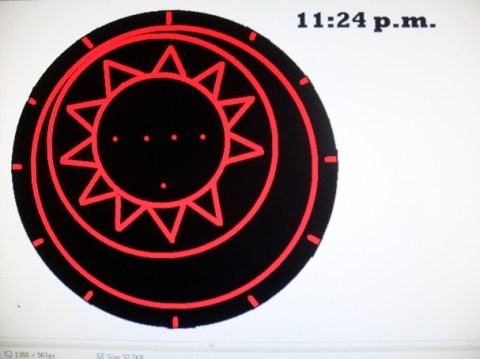
Design submitted by Miguel from the USA.
Miguel says: After looking through many concepts in the Tokyoflash blog, I noticed many watches incorporated designs modeled after the moon. I asked myself: “How could I come up with a design which used not only the moon, but also the sun?” Continue reading

Design submitted by Peter (UK) & Sam (Germany).
Peter and Sam says: For this concept, we both had a rough image in mind, how an Origami watch could look like. We combined our ideas and the result is a snap-on bracelet e-paper watch. Continue reading
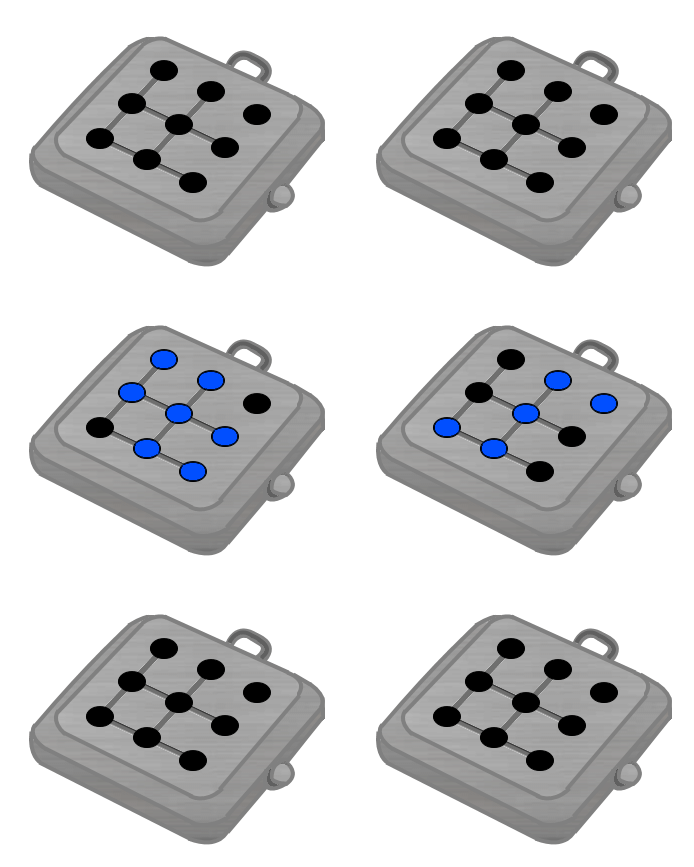
Design submitted by Heather from the USA.
Heather says: I was sketching square digits, and when I came up with these 3×3 digits, I realized that it would be possible to use the Kisai logo as an animated LED display, showing one digit at a time.
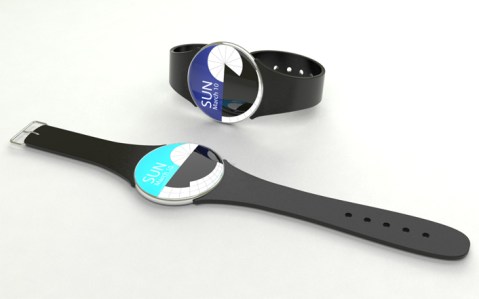
Design submitted by Erik from Colombia.
Erik says: I was trying to find a way to tell the time that is fast and easy. I thought the best way was to give hours a “cake”shape, form so anyone could just see it and know what is the time. With regards to the minutes I prefer ten minutes division at the bottom of the watch.
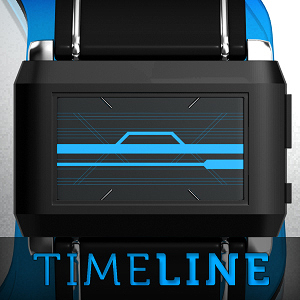
Design submitted by Sam from Germany.
Sam says: The inspiration for this watch comes from the multiverse hypothesis. It says, that there are parallel universes that represent alternative timelines. So everytime a decision has to be made, there are many options, many possibilities of how your path continues. One decision can lead to many ways as well as many ways can conclude into one decision. This relationship can be shown with parallel graphs that sometimes have connections. Continue reading
 Tokyoflash Japan